Improve Your Mental Health
Mental health affects how you think, act, and respond to daily pressure. Work stress, relationship issues, and constant digital exposure can slowly affect emotional balance without clear warning.
Many people notice changes like low motivation, overthinking, or emotional fatigue and ignore them until daily life feels difficult to manage.
This guide explains simple, practical ways to improve mental health through daily habits. It also covers how emotional patterns connect with conditions like Anxiety Disorder, Depression, and long-term stress reactions.
You will also understand when Stress Management needs structured support from a Psychiatrist in Mumbai, including consultation with specialists like Dr. Sanil Sinhasan.
1. Understand how your mind responds to stress
Your mind reacts to pressure through thoughts, body tension, and emotional shifts. When stress continues for days or weeks, the brain stays in alert mode.
This can show up as:
- Restlessness without clear reason
- Difficulty focusing on simple tasks
- Irritation during small conversations
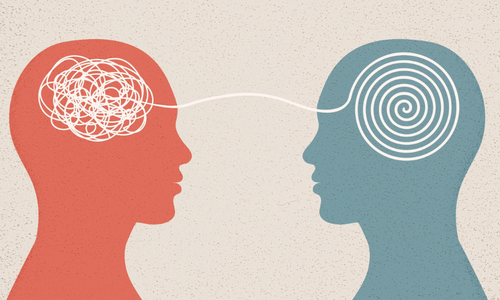
Many cases of Anxiety Disorder begin with repeated stress signals that are ignored.
One example is a working professional who keeps thinking about unfinished tasks even after work hours. The body remains tense even during rest.
When you notice early patterns, you can start basic Stress Management steps before symptoms increase.
2. Build structure in daily routine
A scattered routine affects mental stability. When your day has no fixed flow, your thoughts also become scattered.
Start with:
- Fixed sleep and wake timing
- Clear list of 3 daily tasks
- Short breaks between work blocks
People with early signs of depression often lose routine first. Simple activities like eating on time or stepping outside reduce emotional heaviness.
Ask yourself, do your days feel planned or reactive?
A structured day gives the mind fewer unknowns to process. This reduces mental load and supports emotional balance.
3. Focus on physical movement for mental balance
The body and mind work together. Lack of movement slows energy and increases fatigue in thinking patterns.
Simple actions help:
- 20-minute walk
- Light stretching after long sitting
- Short outdoor exposure
A student dealing with exam pressure may feel mentally blocked after long study hours. A short walk resets attention and reduces tension buildup.
In many Anxiety Disorders, physical restlessness appears even without physical activity. Movement helps reduce that stored energy.
Regular movement supports better Stress Management by reducing internal pressure levels.
4. Improve sleep quality for emotional control
Sleep affects memory, mood, and emotional response. Poor sleep increases negative thinking and reduces patience.
Signs of sleep-related imbalance:
- Waking up tired
- Frequent night waking
- Racing thoughts before sleep
Many individuals with Depression experience sleep disturbance first before emotional symptoms become stronger.
A simple adjustment like avoiding screens before bed helps reduce mental overload.
Ask yourself, do you feel mentally clear after waking up or still tired inside your thoughts?
Sleep is often the first area affected in long-term stress patterns.
5. Manage thought patterns and emotional loops
Thought patterns influence how you react to daily situations. Repeated negative thoughts increase emotional pressure over time.
Examples:
- “I cannot handle this work”
- “Something will go wrong”
- “I am not doing enough”
These thoughts are common in Anxiety Disorder and stress-based emotional cycles.
A practical step is writing thoughts instead of holding them in mind. This creates distance between thought and reaction.
A person working in a high-pressure job may replay conversations repeatedly. This increases mental fatigue without solving anything.
6. Reduce digital overload and constant input
Continuous screen use affects attention and emotional balance. Constant updates from social media or news keep the mind active without rest.
Common effects:
- Reduced focus
- Comparison-based thinking
- Difficulty relaxing
Many people with early Depression symptoms report increased scrolling but reduced satisfaction afterward.
Try simple limits:
- No phone use during meals
- Fixed screen-free time in the evening
- Short breaks from social media
Ask yourself, how does your mood change after long phone use?
Reducing input gives your brain space to reset and process thoughts more clearly.
When professional help becomes important
Some emotional patterns continue even after lifestyle changes. In such cases, structured clinical support is needed.
A Psychiatrist in Mumbai can help assess symptoms, identify underlying patterns, and guide treatment based on condition severity.
Specialists like Dr. Sanil Sinhasan work with conditions such as Stress Management, ANXIETY DISORDERS, Depression, and chronic stress reactions where daily functioning is affected.
Professional guidance focuses on understanding thought patterns, emotional triggers, and behavior cycles that maintain stress over time.
FAQs
1. How do I know if stress is turning into a mental health condition?
When stress affects sleep, focus, or daily work for a long period, it may indicate deeper emotional imbalance beyond normal stress.
2. Can lifestyle changes improve ANXIETY DISORDERS?
Mild cases can improve with routine, sleep control, and physical activity. Moderate or severe cases may need medical support.
3. What is the difference between stress and Depression?
Stress comes from external pressure. Depression affects mood, motivation, and interest in daily life even without external triggers.
4. How important is Stress Management in daily life?
It helps prevent emotional overload, improves focus, and reduces long-term mental fatigue caused by repeated pressure.
5. When should I consult a psychiatrist?
If emotional symptoms last more than a few weeks and affect work, relationships, or daily functioning, consultation becomes important.
Final thoughts
Mental health improves through small and consistent changes in daily habits. Routine, sleep, movement, thought control, and reduced digital overload all support emotional balance.
When symptoms like ANXIETY DISORDERS, Depression, or long-term stress continue, structured help from a Psychiatrist in Mumbai becomes important for proper evaluation and care.
Pay attention to early changes in your thoughts and behavior. Small steps taken early can prevent deeper emotional strain later.

 WhatsApp