Why Do I Feel Anxious for No Reason? Common Causes Explained
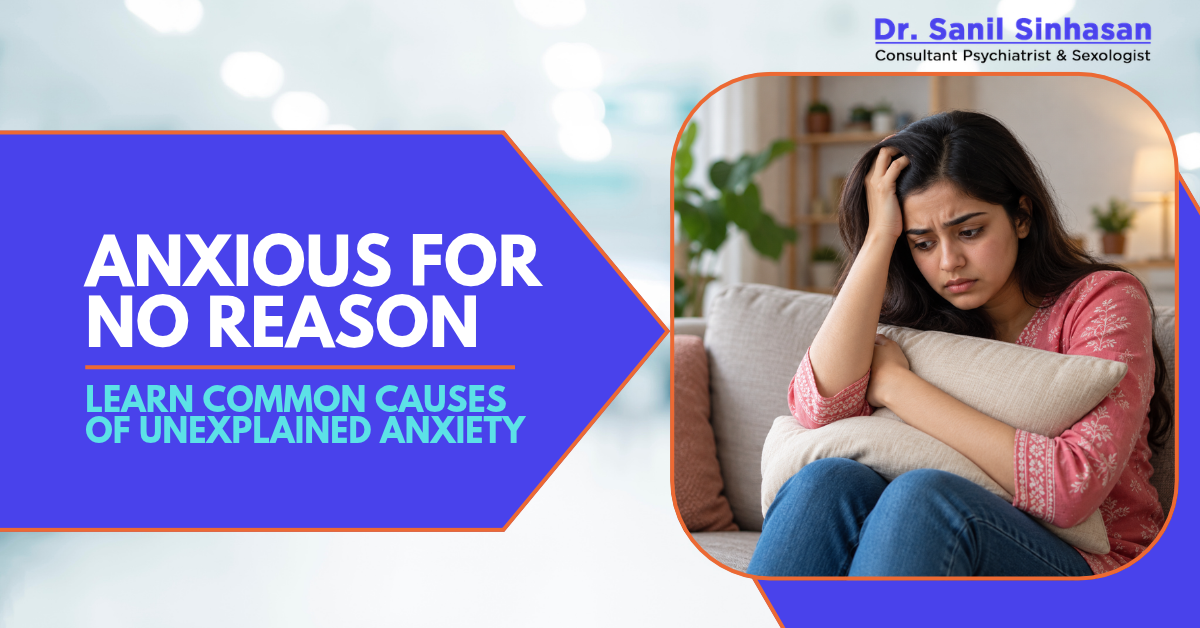
You are sitting at home, working at your desk or spending time with family when suddenly you feel uneasy.
Your heart starts beating faster. Your thoughts become restless. You feel nervous, uncomfortable or worried, but you cannot identify anything specific that is causing it.
You may ask yourself, "Why do I feel anxious for no reason when everything seems fine?"
This experience can be confusing, especially when anxiety appears without an obvious trigger.
However, anxiety does not always have a clear or immediate cause. Stress, poor sleep, caffeine, physical health conditions, hormonal changes and underlying anxiety disorders can all contribute to anxious feelings.
Sometimes, your body may react to accumulated stress even when your mind does not recognise a particular problem.
Feeling anxious without an obvious reason does not automatically mean you have an anxiety disorder. But when anxiety becomes frequent, difficult to control or begins affecting your daily life, it deserves attention.
Understanding the possible causes is the first step towards managing unexplained anxiety.
Why Do I Feel Anxious for No Reason?
You may feel anxious for no obvious reason because anxiety can be triggered by a combination of psychological, biological, physical and lifestyle factors, even when there is no immediate danger or identifiable stressful event.
Your brain and body have a natural alarm system designed to respond to potential threats.
When this system becomes activated, you may experience:
- A racing heartbeat
- Restlessness
- Muscle tension
- Faster breathing
- Sweating
- Stomach discomfort
- Difficulty concentrating
- A sense that something bad might happen
These responses can occur even when you are not consciously thinking about a specific problem.
The important question is not only what triggered the anxiety, but also how frequently it happens, how intense it feels and whether it interferes with everyday life.
What Are the Common Causes of Feeling Anxious for No Reason?
There are several possible explanations for anxiety that appears unexpectedly.
1. Accumulated Stress
Stress does not always disappear when a stressful situation ends.
You may have been managing work pressure, family responsibilities, financial concerns or relationship difficulties for several weeks.
Even when you finally have time to relax, your body may remain tense and alert.
For example, someone may manage a demanding workweek without noticing significant anxiety but begin feeling restless during the weekend.
This does not necessarily mean anxiety has appeared without a cause.
It may reflect the effects of ongoing stress that have become more noticeable during a quieter moment.
2. Generalized Anxiety Disorder (GAD)
Generalized Anxiety Disorder is a mental health condition involving excessive, difficult-to-control worry about different aspects of everyday life.
Someone with GAD may worry about:
- Work
- Finances
- Family health
- Relationships
- Everyday responsibilities
- Future events
Sometimes, the person may experience a persistent sense of anxiety without being able to identify one specific concern.
Other symptoms can include restlessness, fatigue, irritability, muscle tension, difficulty concentrating and sleep disturbances.
GAD is not diagnosed simply because someone feels anxious occasionally. Diagnosis involves the duration, pattern and impact of symptoms, along with a clinical assessment.
3. Poor Sleep or Sleep Deprivation
Sleep and anxiety have a close relationship.
When you do not sleep adequately, you may become more emotionally sensitive and find it harder to manage stress.
Poor sleep can contribute to:
- Irritability
- Restlessness
- Difficulty concentrating
- Increased emotional reactivity
- Feeling overwhelmed
- Greater sensitivity to everyday stress
Anxiety can also make it difficult to sleep, creating a cycle:
If you frequently feel anxious after nights of inadequate sleep, your sleep pattern may be an important factor to examine.
4. Excessive Caffeine or Other Stimulants
Caffeine stimulates the nervous system.
For some people, consuming too much caffeine can produce sensations similar to anxiety.
These may include:
- Increased heartbeat
- Shakiness
- Restlessness
- Difficulty sleeping
- Feeling unusually alert
- Nervousness
Coffee, strong tea, energy drinks, pre-workout products and certain medications may contain stimulants.
Caffeine sensitivity varies between individuals.
If you frequently feel anxious after consuming caffeinated drinks, consider whether the amount or timing may be contributing.
5. Hormonal Changes
Hormonal changes can influence mood, energy and emotional well-being.
Some people notice increased anxiety during particular stages of life or around hormonal fluctuations.
Possible contributing factors include:
- Menstrual-cycle-related changes
- Pregnancy or the postpartum period
- Perimenopause
- Thyroid disorders
Not every hormonal change causes anxiety, and anxiety should not automatically be attributed to hormones.
A healthcare professional may recommend appropriate evaluation if symptoms suggest an underlying hormonal or medical problem.
6. Low Blood Sugar or Other Physical Health Problems
Certain physical health conditions can produce sensations that resemble anxiety.
For example, low blood sugar may cause:
- Shaking
- Sweating
- Rapid heartbeat
- Hunger
- Weakness
- Dizziness
- Feeling nervous or uneasy
Other conditions, including thyroid disorders, heart rhythm problems and some respiratory illnesses, may also produce symptoms that overlap with anxiety.
This is why new, unexplained or recurring physical symptoms should not automatically be considered psychological.
Medical assessment may be necessary to identify the underlying cause.
7. Panic Attacks
A panic attack is a sudden episode of intense fear or discomfort that can develop rapidly.
Sometimes panic attacks occur without an obvious trigger.
Symptoms may include:
- Racing heartbeat
- Chest discomfort
- Sweating
- Trembling
- Shortness of breath
- Dizziness
- Nausea
- Fear of losing control
- Fear that something terrible is happening
A panic attack can feel frightening, particularly when it happens unexpectedly.
However, having one panic attack does not automatically mean someone has panic disorder.
If episodes recur or lead to persistent fear of another attack, professional assessment can help.
Important: New or severe chest pain, significant breathing difficulty, fainting or other alarming symptoms require urgent medical assessment because they may have causes other than panic.
8. Anxiety After a Stressful or Difficult Experience
Sometimes anxiety is connected to an earlier experience rather than something happening in the present.
A difficult event, ongoing conflict, loss or frightening experience may leave someone feeling unusually alert or unsafe.
Certain situations, sensations or reminders may activate anxiety without the person immediately recognising the connection.
Not everyone who experiences stress or trauma develops a mental health disorder.
However, persistent anxiety, avoidance, nightmares or distressing memories following a difficult experience may benefit from professional evaluation.
9. Medication Effects or Substance Use
Some medications and substances can contribute to anxiety-like symptoms.
Examples may include:
- Certain stimulant medications
- Some cold and decongestant medicines
- Corticosteroids
- Excessive caffeine
- Nicotine
- Alcohol or substance withdrawal
The effects depend on the specific substance, dose, timing and individual medical circumstances.
If anxiety begins after starting or changing a medication, discuss it with your prescribing clinician.
Do not stop prescribed medication without medical advice.
10. Anxiety Related to Uncertainty or Overthinking
Sometimes you may not feel worried about one specific problem, but your mind remains focused on possible future difficulties.
You may constantly think:
- What if something goes wrong?
- What if I make a mistake?
- What if I disappoint someone?
- What if something bad happens unexpectedly?
Repeatedly imagining negative outcomes can maintain feelings of anxiety even when there is no immediate threat.
This pattern may be associated with excessive worry, perfectionism or difficulty tolerating uncertainty.
Recognising these thought patterns can be useful when learning to manage anxiety.
Why Do I Suddenly Feel Anxious When Everything Is Fine?
Anxiety can sometimes appear during calm or ordinary moments.
For example, you may be watching television, travelling or preparing to sleep when you suddenly feel nervous.
Possible explanations include:
- Accumulated stress
- Physical sensations that trigger worry
- Sleep deprivation
- Stimulant effects
- An unexpected panic attack
- Underlying anxiety symptoms
- Medical conditions
Sometimes no clear trigger can be identified.
Rather than assuming that something dangerous must be happening, pay attention to the pattern of symptoms.
If sudden anxiety keeps recurring, a healthcare professional can help determine whether further assessment is needed.
What Are the Physical Symptoms of Anxiety?
Anxiety is not limited to thoughts and emotions.
It can also affect the body.
| Physical Symptom | How It May Feel |
|---|---|
| Rapid heartbeat | Heart racing or pounding |
| Muscle tension | Tight shoulders, neck or jaw |
| Sweating | Sweaty palms or increased perspiration |
| Trembling | Shaky hands or internal shakiness |
| Stomach discomfort | Nausea, butterflies or digestive uneasiness |
| Faster breathing | Feeling short of breath |
| Dizziness | Feeling lightheaded or unsteady |
| Fatigue | Feeling tired or mentally drained |
| Sleep difficulties | Trouble falling or staying asleep |
These symptoms are not specific to anxiety. If symptoms are new, severe, persistent or unexplained, seek appropriate medical evaluation.
Is It Normal to Feel Anxious Without a Reason?
Occasional anxiety without an obvious trigger can happen.
You may feel uneasy during a stressful period or after inadequate sleep, even if you cannot identify exactly why.
However, anxiety becomes more concerning when it:
- Happens frequently
- Feels difficult to control
- Causes significant distress
- Interferes with sleep
- Affects concentration
- Leads to avoidance
- Disrupts work or relationships
- Continues over time
You do not need to identify a specific cause before seeking help.
Sudden Anxiety vs Panic Attack: What's the Difference?
Although they can overlap, anxiety and panic attacks are not exactly the same.
| Anxiety | Panic Attack |
|---|---|
| May develop gradually or fluctuate | Typically rises rapidly |
| May involve ongoing worry or tension | Involves an abrupt surge of intense fear or discomfort |
| Can persist over a longer period | Often peaks within minutes |
| May cause restlessness, tension and sleep problems | May cause intense palpitations, trembling, dizziness and fear |
| May or may not have an identifiable trigger | Can occur unexpectedly |
A mental health professional can help determine whether recurring episodes represent panic attacks, another anxiety condition or a physical health problem.
Why Do I Feel More Anxious at Night?
Some people experience increased anxiety in the evening or when trying to sleep.
During the day, work and other responsibilities may keep the mind occupied.
At night, when distractions decrease, worries may become more noticeable.
Possible contributors include:
- Reviewing the day's events
- Worrying about tomorrow
- Poor sleep habits
- Caffeine consumed late in the day
- Stress
- Fear of not being able to sleep
- Existing anxiety symptoms
A regular sleep routine and reduced evening stimulation may help some people.
If nighttime anxiety repeatedly affects sleep, professional assessment may be useful.
Why Do I Wake Up Feeling Anxious?
Morning anxiety may involve waking with nervousness, restlessness, stomach discomfort or a racing mind.
Possible contributing factors include:
- Poor-quality sleep
- Worry about upcoming responsibilities
- Ongoing stress
- Anxiety disorders
- Caffeine or medication effects
- Other physical health factors
Normal changes in stress-related hormones occur around waking, but morning anxiety should not automatically be attributed to cortisol.
If morning anxiety is frequent or severe, consider discussing it with a healthcare professional.
Can Anxiety Happen Without Negative Thoughts?
Yes.
Some people primarily notice physical symptoms such as:
- Muscle tension
- Restlessness
- Sweating
- Palpitations
- Stomach discomfort
- Feeling unusually alert
They may not recognise any specific worried thought.
However, physical symptoms alone cannot establish that anxiety is the cause.
A medical evaluation may be important, particularly when symptoms are new or unexplained.
How Can You Calm Anxiety When You Don't Know the Cause?
You may not always be able to identify the reason for anxiety immediately. However, several strategies may help manage mild symptoms.
1. Slow Down Your Breathing
When anxious, some people begin breathing rapidly.
Try breathing gently and slowly at a comfortable pace.
Avoid forcing unusually deep breaths, particularly if doing so makes you feel lightheaded.
2. Use Grounding Techniques
Bring your attention to the present moment.
For example, notice:
- Five things you can see
- Four things you can feel
- Three things you can hear
- Two things you can smell
- One thing you can taste
Grounding may help redirect attention away from spiralling worry.
3. Check Your Sleep Routine
Consider whether inadequate sleep may be contributing to your symptoms.
Try maintaining consistent sleep and wake times.
4. Review Your Caffeine Intake
If you consume several cups of coffee, strong tea or energy drinks, consider whether stimulants may be increasing your nervousness.
Reducing excessive caffeine may help some individuals.
5. Stay Physically Active
Walking, stretching and other regular physical activities can support mental well-being.
Choose activity appropriate to your health and fitness level.
6. Write Down Your Worries
Writing can help identify recurring concerns that may not be immediately obvious.
You might ask:
“Am I putting too much pressure on myself?”
“Have I been sleeping properly?”
“Is there a problem I have been avoiding?”
The goal is not to analyse every thought repeatedly, but to identify useful patterns.
7. Avoid Repeatedly Checking Your Symptoms
Constantly monitoring your heartbeat, searching symptoms online or seeking reassurance may increase anxiety in some people.
If symptoms are persistent or medically concerning, arrange an appropriate assessment rather than repeatedly trying to diagnose yourself online.
8. Seek Professional Support
If anxiety keeps returning, interferes with your life or feels difficult to manage, professional treatment may help.
Can Anxiety Go Away on Its Own?
Some temporary anxiety symptoms improve when stress decreases, sleep improves or a triggering situation resolves.
However, persistent or recurring anxiety may require additional support.
Anxiety disorders can be effectively treated using evidence-based approaches.
The appropriate treatment depends on the symptoms, their severity, duration, possible medical causes and individual circumstances.
How Is Unexplained Anxiety Treated?
There is no single treatment for every person who feels anxious without an obvious reason.
A clinician may first assess whether the symptoms are related to an anxiety disorder, stress, medication effects, sleep difficulties or a physical health condition.
Treatment may involve the following approaches:
Cognitive Behavioural Therapy (CBT)
CBT is an evidence-based psychological treatment for several anxiety disorders.
It can help people recognise and change unhelpful patterns of thinking and behaviour.
Psychological and Behavioural Strategies
Treatment may involve learning to manage worry, reduce avoidance and respond differently to uncertainty.
Lifestyle and Sleep Interventions
Regular sleep, physical activity, reduced excessive caffeine and stress-management strategies may support recovery.
Medication
For some diagnosed anxiety disorders, medication such as certain antidepressants may be recommended.
Medication decisions depend on the clinical assessment, potential benefits, side effects and individual preferences.
Treatment of Underlying Medical Conditions
If anxiety-like symptoms are related to a medical condition or medication effect, addressing that cause may be an important part of management.
When Should You See a Psychiatrist for Anxiety?
Consider consulting a psychiatrist or another qualified healthcare professional when:
- Anxiety occurs frequently without an obvious trigger
- Worry feels difficult to control
- You experience recurring panic attacks
- Anxiety affects your sleep
- You avoid situations because of fear
- Concentration becomes difficult
- Physical symptoms keep recurring
- Work or relationships are affected
- Symptoms continue despite self-care
- Anxiety causes significant emotional distress
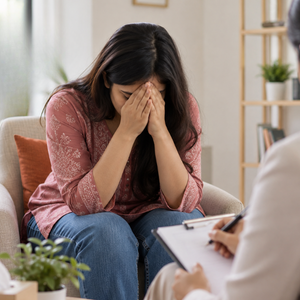
You do not have to wait until symptoms become severe before seeking help.
If symptoms suggest an immediate medical emergency, seek urgent medical care rather than waiting for a routine psychiatric consultation.
Looking for Anxiety Treatment in Mumbai?
If you frequently feel anxious without knowing why, an individual mental health assessment can help identify possible contributing factors.
Dr. Sanil Sinhasan, MBBS, MD Psychiatry, is a Consultant Psychiatrist & Sexologist in Mumbai with more than 10 years of experience in managing mental and sexual health concerns.
A psychiatric consultation can help assess persistent worry, panic symptoms, overthinking, sleep difficulties and other anxiety-related concerns.
Treatment recommendations should be based on your symptoms, medical history and individual needs.
Take the First Step Towards Understanding Your Anxiety
You do not need to have a clear explanation for your anxiety before asking for help.
If unexplained worry, nervousness or physical symptoms are interfering with your daily life, professional assessment may help.
Consult Dr. Sanil Sinhasan, Psychiatrist in Mumbai, for individual anxiety assessment and appropriate treatment guidance.
Call: +91 93247 30370
Consultation Locations: Tilaknagar, Chembur and Dadar, Mumbai.
Book AppointmentFrequently Asked Questions
1. Why do I feel anxious for no reason?
Anxiety can occur without an obvious trigger because of accumulated stress, poor sleep, caffeine, medication effects, physical health conditions or an underlying anxiety disorder. Sometimes no clear trigger can be identified.
2. Is it normal to suddenly feel anxious?
Occasional sudden anxiety can happen. However, recurring or severe episodes, particularly those involving unexplained physical symptoms, may require medical or mental health assessment.
3. Can anxiety happen when nothing is wrong?
Yes. Anxiety can occur even when there is no immediate danger or identifiable stressful situation. Persistent symptoms may reflect several psychological, biological or medical factors.
4. Why do I feel anxious even when I am happy?
Anxiety and positive emotions can coexist. Someone may feel happy about their circumstances while still experiencing stress, poor sleep, physical symptoms or an anxiety disorder.
5. Can lack of sleep cause anxiety?
Yes. Inadequate sleep can increase emotional sensitivity and make stress more difficult to manage. Anxiety can also interfere with sleep, creating a reinforcing cycle.
6. Can caffeine cause sudden anxiety?
Yes. Caffeine may contribute to nervousness, restlessness, shakiness, palpitations and sleep difficulties, particularly in people who are sensitive to stimulants.
7. Can anxiety cause physical symptoms without worried thoughts?
Yes. Anxiety can involve physical sensations such as sweating, muscle tension, palpitations and stomach discomfort, even without an identifiable worried thought. Other medical causes may also need consideration.
8. How do I stop feeling anxious for no reason?
Helpful strategies may include regular sleep, reducing excessive caffeine, physical activity, grounding exercises and stress management. Persistent anxiety may benefit from professional assessment and evidence-based treatment.
9. When should I see a psychiatrist for unexplained anxiety?
Consider professional assessment when anxiety is persistent, difficult to control, causes significant distress or interferes with sleep, work, relationships or everyday activities.
10. Where can I consult a psychiatrist for anxiety in Mumbai?
Dr. Sanil Sinhasan, MBBS, MD Psychiatry, provides psychiatric consultations in Tilaknagar, Chembur and Dadar, Mumbai. Appointments can be requested by calling +91 93247 30370.

 WhatsApp