Old Age Memory Loss: What’s Normal and When to Worry
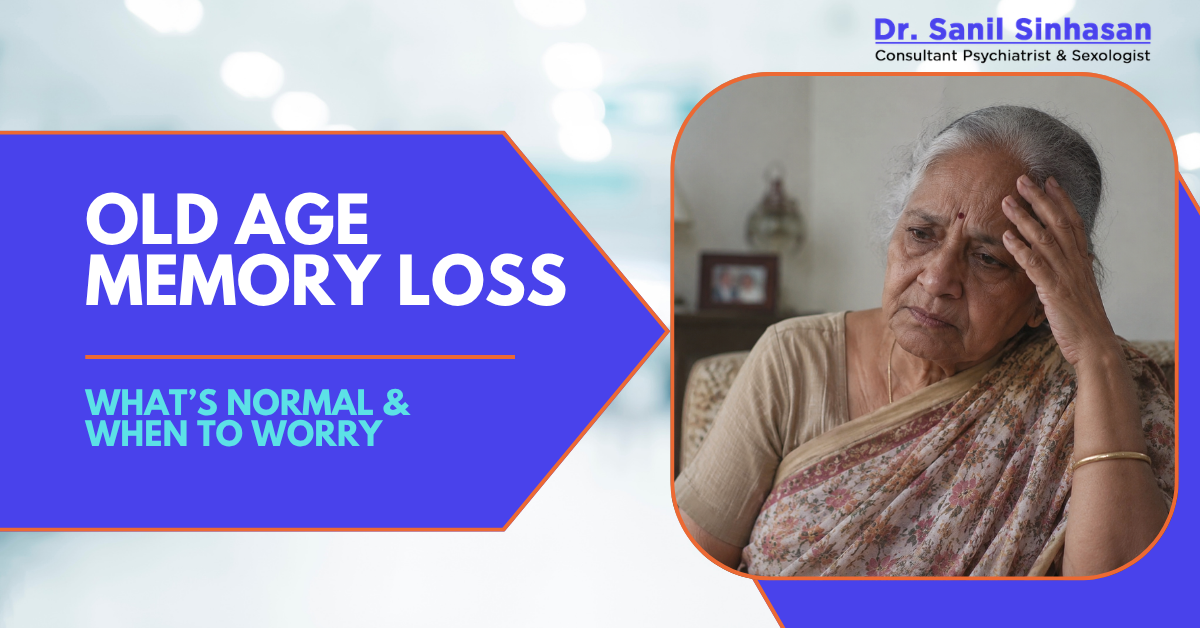
Your father repeats the same question three times during dinner. Your mother forgets where she kept the house keys again.
An older family member suddenly becomes withdrawn, suspicious, or unusually irritable.
These changes often leave families confused and worried. Is this normal aging? Or could it point to something more serious? Mild forgetfulness can happen with age. The brain processes information more slowly over time. But persistent memory problems, confusion, or behavioural changes should never be ignored
Many families dealing with Old Age Memory & Behavioural Problems struggle to understand when medical help is necessary. Early recognition can make a major difference in treatment, safety, and quality of life.
This article explains the difference between normal age-related memory changes and warning signs that may require evaluation by a specialist such as a Psychiatrist in Mumbai like Dr. Sanil Sinhasan.
What Memory Changes Are Normal With Aging?
Not every memory lapse means dementia. As people grow older, the brain may take longer to store and recall information. This is a common part of aging.
Normal age-related memory changes may include:
- Occasionally forgetting names: An older adult may forget a person’s name during a conversation but remember it later.
- Misplacing everyday objects: Keys, glasses, wallets, or phones may sometimes end up in unusual places.
- Taking more time to learn new things: Understanding new technology, instructions, or routines may require repetition.
- Missing an appointment once in a while: Forgetting a date occasionally is usually not serious if the person remembers later.
These changes usually do not affect independence, decision-making, or daily functioning. A person can still manage finances, social interactions, household work, and personal care normally.
When Memory Loss Becomes a Warning Sign
The concern begins when memory problems interfere with daily life. Families dealing with Old Age Memory Problems often notice subtle changes first. In many cases, the patient may not recognize the symptoms.
Warning signs may include:
- Repeating conversations frequently: The person may ask the same question multiple times within a short period.
- Forgetting recent events completely: They may not remember visitors, phone calls, or meals from the same day.
- Getting confused in familiar places: Difficulty recognizing roads, buildings, or common surroundings needs medical attention.
- Struggling with money or medications: Missed bills, incorrect medicine doses, or confusion with simple tasks can signal cognitive decline.
- Personality and behavioural changes: Some elderly individuals become suspicious, anxious, aggressive, or socially withdrawn.
- Difficulty finding common words: Conversations may become difficult because the person forgets simple words or loses track midway.
These symptoms should not be dismissed as “normal old age.”
Understanding the Difference Between Dementia and Normal Aging
Many people use the term dementia loosely. But dementia is not a normal part of aging. Dementia is a group of symptoms that affect memory, thinking, reasoning, and behaviour. The most common cause is Alzheimer’s disease.
Here is a simple comparison:
| Normal Aging | Possible Dementia |
|---|---|
| Forgetting names briefly | Forgetting close family members |
| Misplacing items occasionally | Placing objects in strange locations repeatedly |
| Missing one payment | Unable to manage finances |
| Forgetting why you entered a room | Forgetting how to return home |
| Needing reminders | Losing independence |
One of the biggest differences is daily functioning. A person with normal aging remains independent. A person with dementia gradually struggles with routine activities.
Common Causes of Memory Problems in Older Adults
Not all memory problems are caused by Alzheimer’s disease. Several medical and psychological conditions can affect memory in elderly individuals.
- Mild Cognitive Impairment (MCI): MCI causes noticeable memory decline that is greater than expected for age but not severe enough to disrupt daily life completely. Some people with MCI later develop dementia.
- Depression: Depression in older adults can look like memory loss. A person may appear mentally slow, distracted, or emotionally disconnected.
- Vitamin B12 deficiency: Low vitamin B12 levels can affect brain function and concentration.
- Sleep disorders: Poor sleep affects memory formation and thinking ability.
- Medication side effects: Certain sleeping pills, painkillers, and psychiatric medications may cause confusion or drowsiness.
- Vascular dementia: Reduced blood flow to the brain due to strokes or uncontrolled blood pressure can lead to memory decline.
- Alzheimer’s disease: This condition usually affects short-term memory first. Over time, language, reasoning, and behaviour also become affected.
Families facing Old Age Memory & Behavioural Problems should seek proper evaluation rather than assuming all forgetfulness is age-related.
Behavioural Changes Families Often Notice First
Memory loss is not always the first symptom. Behavioural changes can appear earlier in some elderly patients.
Families may notice:
- Increased irritability
- Mood swings
- Aggression
- Social withdrawal
- Suspicion toward family members
- Loss of interest in hobbies
- Poor judgment
- Changes in sleep patterns
These symptoms are emotionally difficult for caregivers. Many families delay seeking treatment because they believe the behaviour is “just part of aging.”
In clinical practice, specialists often see patients only after symptoms begin affecting relationships, finances, or safety at home. Early consultation with a Psychiatrist in Mumbai such as Dr. Sanil Sinhasan can help identify the underlying cause and guide treatment options.
How Doctors Diagnose Memory Disorders
There is no single test for dementia or memory loss. Doctors usually perform a detailed evaluation. This may include:
- Medical history assessment: The doctor asks about symptoms, medications, lifestyle habits, and behavioural changes.
- Cognitive testing: Simple tests evaluate memory, attention, language, and problem-solving skills.
- Blood investigations: These help detect vitamin deficiencies, thyroid problems, infections, or metabolic conditions.
- Brain imaging: MRI or CT scans may identify strokes, brain shrinkage, or structural abnormalities.
- Family observations: Relatives often provide important details because they notice changes in daily behaviour earlier.
Early diagnosis helps families plan treatment, caregiving, and safety measures more effectively.
Can Memory Loss Be Reversed?
Some causes of memory loss are treatable. Memory problems linked to vitamin deficiencies, depression, medication side effects, thyroid disorders, or sleep problems may improve with proper treatment.
Dementia-related conditions usually progress gradually. But early treatment can help slow symptoms and improve quality of life. The earlier the diagnosis, the better the chances of maintaining independence for a longer period.
Ways to Support Brain Health in Older Adults
Healthy lifestyle habits can support cognitive function and reduce risk factors linked to memory decline.
- Stay physically active: Regular walking or exercise improves blood circulation to the brain.
- Keep the brain engaged: Reading, puzzles, social interaction, and learning activities help stimulate mental function.
- Manage blood pressure and diabetes: Poorly controlled medical conditions increase the risk of vascular dementia.
- Maintain social connections: Isolation and loneliness can worsen cognitive decline.
- Prioritize sleep: Good sleep supports memory consolidation and mental clarity.
- Eat balanced meals: Nutritious foods rich in fruits, vegetables, nuts, and omega-3 fatty acids support brain health.
These habits cannot completely prevent dementia, but they may help delay cognitive decline.
FAQs
1. Is memory loss a normal part of aging?
Mild forgetfulness can occur with age. Severe memory loss that affects daily life is not considered normal.
2. What are the early signs of dementia?
Common early signs include repeating questions, forgetting recent events, confusion, behavioural changes, and difficulty managing daily tasks.
3. Why do elderly people remember old memories better than recent events?
Conditions like Alzheimer’s disease often affect short-term memory first while older memories remain preserved initially.
4. Can stress and depression cause memory problems?
Yes. Anxiety, depression, and chronic stress can affect concentration and memory in older adults.
5. What doctor should I consult for memory and behavioural problems in elderly patients?
A neurologist, geriatric specialist, or Psychiatrist in Mumbai like Dr. Sanil Sinhasan can evaluate cognitive and behavioural symptoms properly.
6. Can memory loss improve with treatment?
Some causes of memory loss are reversible, especially when linked to vitamin deficiencies, depression, medications, or thyroid disorders.
7. When should families seek medical help?
Medical evaluation is important if memory loss affects safety, communication, behaviour, finances, or daily functioning.
Growing older may bring small memory changes, but persistent forgetfulness, confusion, or behavioural shifts should never be ignored. Many families dealing with Old Age Memory & Behavioural Problems wait too long before seeking help because symptoms develop gradually.
Recognizing the warning signs early can improve treatment outcomes, reduce caregiver stress, and help elderly individuals maintain independence longer.
If memory loss or behavioural changes are affecting your loved one’s daily life, timely evaluation from an experienced specialist such as Dr. Sanil Sinhasan can help identify the cause and guide the next steps with clarity and care.

 WhatsApp